
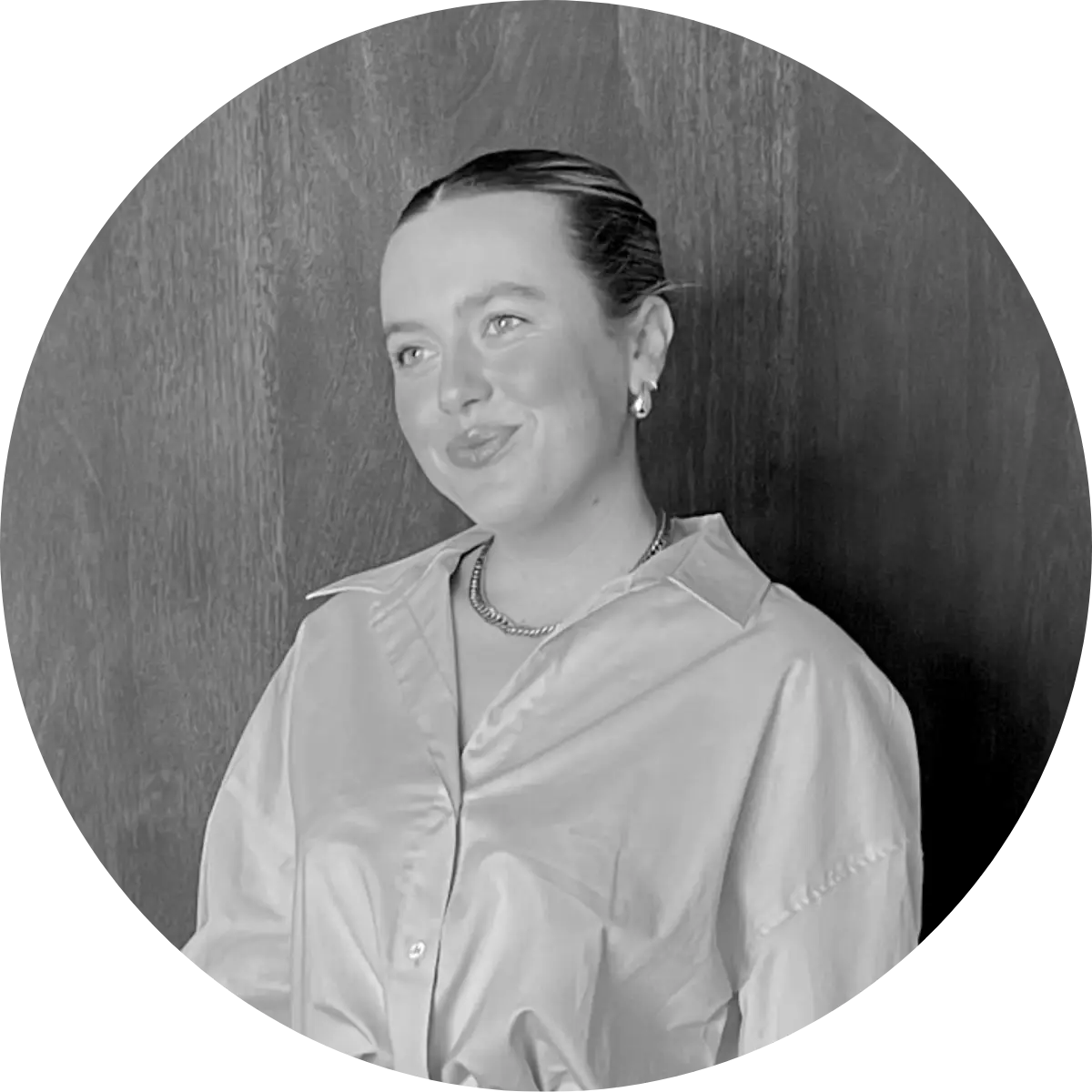

In feature 044 of Conversations Behind The Campaign, we sat down with Lucas Yiu, TikTok Strategist and Creative Consultant.
After beginning his career in marketing and communications, Lucas joined Mugler at a time when few luxury brands had established a presence on TikTok. Seeing the opportunity early, he helped shape a more unfiltered approach to luxury storytelling through behind-the-scenes, iPhone-shot content and culturally relevant moments. He later joined Loewe, where he played a key role in building one of fashion’s most recognisable TikTok presences, with content regularly generating millions of organic views through unexpected talent, internet culture and entertainment-led storytelling rather than product-first marketing. Today, he works independently with brands including Nothing, Augustinus Bader, Chanel and Jean Paul Gaultier.
In our conversation, Lucas shares how brands can build relevance on TikTok, why luxury and internet culture are not mutually exclusive, and why creating value for audiences should come before asking them to engage with a brand.
1. Could you tell us about your path into marketing, and how you came to focus on TikTok? Did you always have an interest in content creation and entertainment?
I was quite lucky to find out pretty early my interest in content and social media. I started in fashion design, but after three months, I knew it wasn’t for me. I switched to fashion marketing, studying in Hong Kong, then doing an exchange at AMFI in Amsterdam, and completing my master’s at IFM Paris. At that time I already knew I wanted to work in communication, though I didn’t know exactly which part in fashion communication that I am interested in.
I reflected on what I loved – designers like Jean Paul Gaultier and Mugler, with their ‘80s maximalism, theatricality, and diversity. That drew me into fashion. So, I thought: even if I don’t know the exact role, I know what brands I want to work in. I didn’t see openings, so I went on LinkedIn, found people who worked there, slid into their DMs, and asked for an opportunity. The communication director at Mugler at the time gave me a chance – I am still so grateful because at that time I barely had any experience. But then unfortunately COVID happened and froze all the hirings. Instead, I started off my career at a creative agency for a year as a creative consultant, then joined Mugler when COVID cooled down.
At that time TikTok was very different from Instagram – raw, chaotic, and leaning into younger voices & culture. I saw the strong potential of it because of the excitement and fun content it brings with it – nothing commercial. At the time most luxury brands were not there and I can only benchmarked outside fashion. I was digesting what other successful brands on the platform like Ryan Air and Duolingo were doing. Therefore I proposed to Mugler that they should begin posting BTS iPhone content. It is very normal now, every brand posts iPhone shot content but back then it was uncommon. Me proposing that was almost seen as crazy.
The debate was, “We spend so much on this campaign for all these great assets, why post iPhone footage?” and “We are a luxury brand, we can’t post something shot on an iPhone, everyone has an iPhone.”
But we did. That BTS video – Bella Hadid and Dominique Jackson falling – hit about 40 million views. That trust allowed me to do more raw & TikTok friendly content. Later, Loewe saw what we did, and I joined them, continuing that approach. After two and a half years at LOEWE, I decided to go independent, working with different clients.

2. Very few brands have nailed TikTok quite like Loewe – it’s reactive, entertaining and deeply rooted in the Gen Z and pop-culture ecosystem. Where do you look for inspiration?
My inspiration honestly comes straight from my TikTok ‘For You Page’.
“I often joke that I built my FYP brick by brick, and I mean it! I love it because it’s perfectly tailored to my sense of humor and what’s going on – fashion, pop culture, Gen Z insights.”
The algorithm shows me exactly what I need, and that’s where I get my creative spark. THANK YOU MY FYP <3
3. TikTok thrives off pace. The algorithm rewards brands that are quick to trends, cultural moments and talent. Do you have any guardrails for delivering ‘on brand content’ whilst still moving with pace?
This is a conversation, a struggle, a debate that we have every day. We constantly ask: is this trend worth jumping on as a luxury brand? Unlike brands like Ryanair or Duolingo, we have a prestigious image, a tone, and a history to protect. So, we always debate: will this dilute the brand?
“It’s about that fine line – reacting quickly to trends but not diluting the brand. And what the audience sees is only what we publish. We’ve created so many concepts that never went live because we asked ourselves: does this hurt the brand image?”
So, a lot of content gets cut. And that’s thanks to my manager, and upper management who have the final say. They keep a fresh, clear mindset and guide us when we’re going too far.
4. What would you say to brands who don’t believe TikTok aligns with the luxury space? What unique value do you believe it delivers?
About a year ago, some brands still doubted TikTok or thought it didn’t fit luxury. But today, it’s pretty clear:
“TikTok is an essential channel for reaching different demographics. At this point, there’s really not much left to say to skeptics, it’s become a fact that everyone now recognizes.”
The very nature of the platform fosters a relaxed, non-commercial tone that resonates with audiences. In the past, I’d tell skeptical brands: even presidents and governments are on TikTok. These figures are some of the most respected in a country, and yet they’re there because they know it’s vital to engage with different generations and demographics. If they even use TikTok to connect with people, then why wouldn’t a luxury brand do the same?

5. Where does TikTok sit within the broader brand strategy? Is it primarily a channel for community-building, driving relevance, entertainment, or is it evolving towards direct sales?
I don’t see TikTok as a platform for driving direct sales. For me, it’s more about engaging a different demographic and getting them familiar with the brand – building awareness and bringing them into deeper brand stories. It’s more of a stepping stone, particularly for younger generations.
That said, TikTok should be just one small part of a broader communication strategy. It’s just one pillar of many that a brand should build on. I think a lot of marketers still focus on whether a single campaign directly drives sales. But today, it’s far more complex. Think about why you buy a bag – it’s never just one piece of content. You have to consider the whole journey. Maybe you first saw a funny TikTok and remembered the brand name. Then, later, you saw an influencer post about the brand on Instagram, so you clicked into the brand. Because you’d seen them before, you were more curious. Eventually, you saw paid media, maybe a celebrity using a product, or a fashion press article. By the time you saw ads for a specific product, you were already invested in the brand atmosphere. That’s what nudges you to click into e-commerce and focus on a product.
“Modern marketing isn’t about one touchpoint. It’s a complex, multi-step experience. The old mindset of one piece of content triggering a purchase is outdated.”

6. Many brands see a tension between maintaining a sense of craft and heritage, whilst embracing fast-moving, trend-led content. Do you think these two things can co-exhist at the same time?
I do believe both can coexist, and Loewe is a great example. They have so many different communication channels. Like I said, TikTok is just one piece of the puzzle. Loewe does so much beyond it – the Craft Prize, or more elevated content focusing on heritage and craft. TikTok’s trendy content is eye-catching, so we talk about it. But behind the scenes, they’re deeply committed to slower, in-depth work on craftsmanship and legacy. It’s never just one thing.

7. A key strength of your work seems to be identifying emerging talent and trends before they go viral, positioning the brand at pivotal cultural moments. What processes or instincts help you identify which creators and trends are worth investing in?
To be honest it’s really just a vibe…and this sounds so Gen Z but it’s really about instincts. It’s very clear to me when certain concepts or creators feel right to jump on or not.

8. Many brands default to product-led content, missing the opportunity for more entertaining, platform-native storytelling. How do you approach and view TikTok as opposed to channels like Instagram?
Recently I have met with a CEO who was really excited about a product and suggested we create content around it. However, I pointed out that this approach felt a bit traditional – almost outdated. Instead of pushing the product onto the audience, I recommended we flip the script. We should focus on pulling the audience in by thinking what their interests are. People are not interested in another product. As a brand we need to think how we can provide audiences with value or benefits to attract them. For example, on platforms like TikTok, we can create joyful, relatable, and culturally fresh content that really taps into what people want to see.
“By giving them value first – like humor or trends – we build a connection. Then, over time, we can subtly guide them into the brand universe.”
Eventually, we use other touchpoints – like paid media – to keep them engaged, but it all starts with pulling them in with genuine value.”
9. Have you found a direct link between growing and connecting with the Gen Z and millennial audience since bolstering your presence on the platform?
I am not sure because the algorithm tends to push what the audience are interested to see but also sometimes some topics that are out of their usual interest – so perhaps I guess?
10. What advice would you give to someone hoping to build a career within the luxury fashion industry today?
Recently I saw this post of Brenda Hashtag – it’s about how everyone has to start somewhere and I really relate to it. You really need to build your opportunities instead of waiting for them to happen.

11. Where can our audience follow and engage with you on social media?
IG @lucas.yiu


